Trusted Hand Tools for Construction Professionals
- Deepak Oswal
- Nov 19, 2025
- 4 min read

In the construction industry, the right tools can make all the difference between a successful project and a frustrating experience. Hand tools, in particular, are essential for precision work and can significantly impact the quality of the final product. Whether you are a seasoned professional or just starting in the field, having a reliable set of hand tools is crucial. This blog post will explore some of the most trusted hand tools for construction professionals, highlighting their features, benefits, and practical applications.
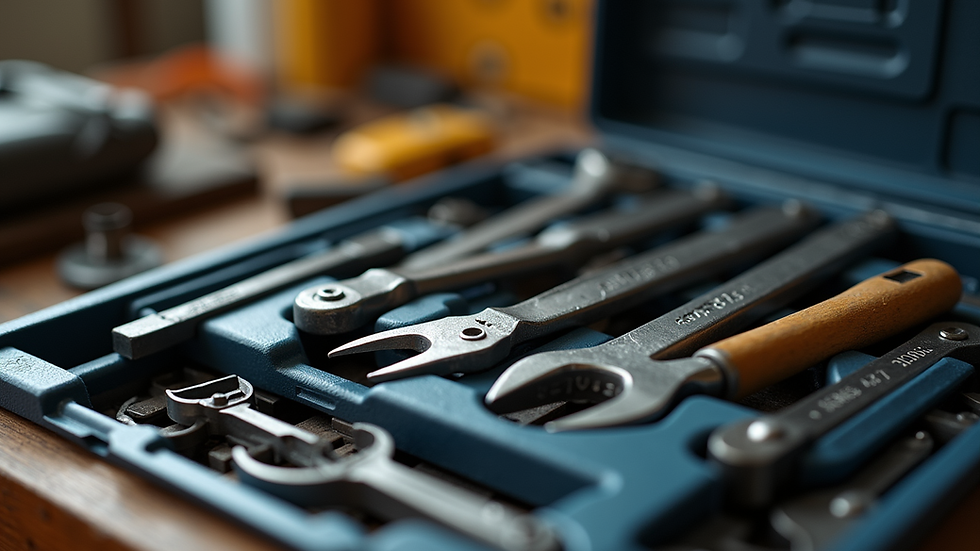
Understanding the Importance of Quality Hand Tools
Quality hand tools are not just about brand names or aesthetics; they are about performance, durability, and safety. Here are some reasons why investing in trusted hand tools is essential for construction professionals:
Precision: High-quality tools allow for more accurate measurements and cuts, leading to better overall results.
Durability: Trusted brands often use superior materials that withstand wear and tear, ensuring longevity.
Safety: Well-designed tools reduce the risk of accidents and injuries on the job site.
Efficiency: Reliable tools can help you complete tasks faster, saving time and money.
Essential Hand Tools for Construction Professionals
1. Hammers
A hammer is a fundamental tool in any construction worker's arsenal. There are various types of hammers, but the most commonly used include:
Claw Hammer: Ideal for driving nails and removing them, the claw hammer is a versatile choice for general construction tasks.
Framing Hammer: Heavier than a claw hammer, this tool is designed for driving larger nails into framing materials.
Sledgehammer: Used for heavy-duty tasks, such as breaking concrete or driving stakes into the ground.
When selecting a hammer, consider the weight and balance, as these factors can affect your performance and comfort during use.
2. Screwdrivers
Screwdrivers are indispensable for assembling and disassembling various components. Here are the main types:
Flathead Screwdriver: Suitable for slotted screws, this tool is a must-have for basic tasks.
Phillips Screwdriver: Designed for cross-shaped screws, the Phillips screwdriver provides better grip and torque.
Torx Screwdriver: Often used in electronics and automotive applications, Torx screwdrivers offer a unique star-shaped design for added security.
Investing in a quality set of screwdrivers with ergonomic handles can enhance your efficiency and reduce hand fatigue.
3. Tape Measures
Accurate measurements are critical in construction. A reliable tape measure is essential for ensuring that every cut and installation is precise. Look for features such as:
Locking Mechanism: This allows you to secure the tape in place while measuring.
Durable Housing: A sturdy case protects the tape from damage during use.
Clear Markings: Easy-to-read measurements help prevent errors.
Consider a tape measure with a length of at least 25 feet for most construction tasks.
4. Utility Knives
Utility knives are versatile tools used for cutting various materials, from drywall to cardboard. When choosing a utility knife, consider the following:
Retractable Blade: This feature allows for safe storage and easy blade replacement.
Ergonomic Handle: A comfortable grip can reduce hand strain during extended use.
Durability: Look for knives made from high-quality materials that can withstand tough conditions.
5. Pliers
Pliers come in various types, each designed for specific tasks. Some essential pliers include:
Needle-Nose Pliers: Ideal for reaching tight spaces and gripping small objects.
Slip-Joint Pliers: These adjustable pliers can grip various sizes of nuts and bolts.
Wire Cutters: Essential for cutting electrical wires and cables.
Investing in a high-quality set of pliers can improve your efficiency and precision on the job.
Choosing the Right Tools for Your Needs
When selecting hand tools, consider the specific tasks you will be performing. Here are some tips to help you make informed decisions:
Assess Your Needs: Identify the types of projects you typically work on and choose tools that cater to those requirements.
Prioritize Quality: While it may be tempting to opt for cheaper options, investing in quality tools can save you money in the long run by reducing the need for replacements.
Read Reviews: Look for feedback from other professionals to gauge the performance and reliability of the tools you are considering.
Maintaining Your Hand Tools
Proper maintenance is key to extending the life of your hand tools. Here are some essential maintenance tips:
Clean After Use: Remove dirt, dust, and debris after each use to prevent corrosion and damage.
Store Properly: Keep tools in a dry, organized space to avoid misplacement and damage.
Inspect Regularly: Check for signs of wear and tear, and replace any damaged parts as needed.
Conclusion
Having a reliable set of hand tools is essential for construction professionals. From hammers to pliers, each tool plays a vital role in ensuring the success of your projects. By investing in quality tools, maintaining them properly, and choosing the right ones for your needs, you can enhance your efficiency and achieve better results in your work. Remember, the right tools not only improve your performance but also contribute to a safer and more enjoyable working environment.
As you continue to build your toolkit, keep these trusted hand tools in mind to support your construction endeavors.


Comments